
Residential Solar Victoria: Complete Guide to Clean Energy Solutions
Renewable energy harnessed from solar power offers a sustainable and eco-friendly solution to meet the worlds.
Residential Solar Victoria: Complete Guide to Clean Energy Solutions
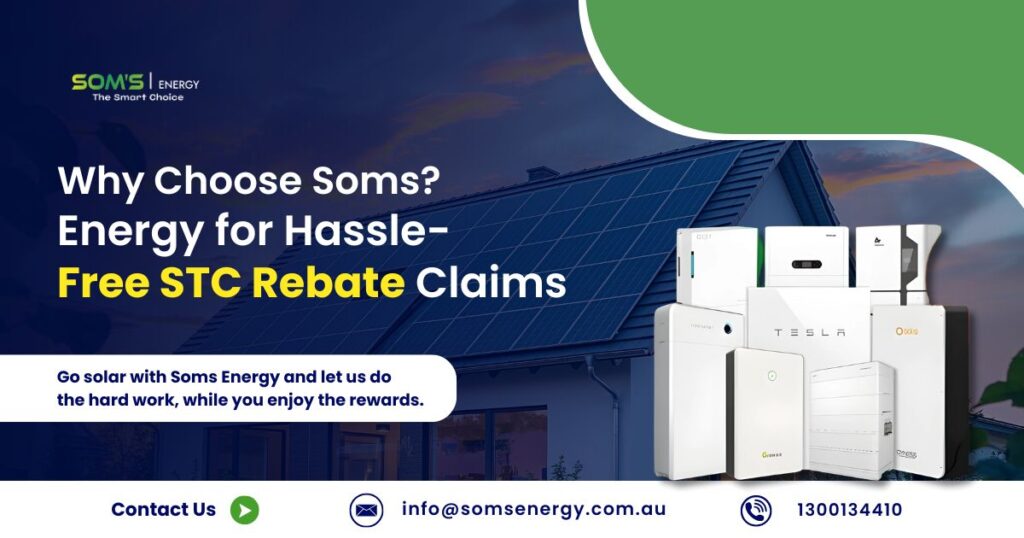
Residential Solar Victoria is becoming one of the most practical and cost-effective energy solutions for homeowners across the state. With rising electricity prices and increasing awareness of climate change, more households are switching to solar power to reduce dependency on traditional energy sources. Solar energy not only helps cut monthly power bills but also increases property value and supports a sustainable future.
Victoria has strong sunlight exposure throughout the year, making it an ideal location for residential solar systems. Modern solar technology allows homeowners to generate clean electricity efficiently, store excess energy, and even export it back to the grid. Companies like Somsenergy.com.au are helping families make this transition smoother by offering tailored solar solutions designed for long-term savings and performance.
Benefits of Residential Solar Victoria
One of the biggest advantages of Residential Solar Victoria systems is the significant reduction in electricity costs. Homeowners can generate their own power during the day and rely less on the grid, which results in lower monthly bills. Over time, this leads to substantial savings.
Another key benefit is environmental impact. Solar energy is renewable and produces zero greenhouse gas emissions during operation. By installing solar panels, households actively contribute to reducing carbon footprints and promoting cleaner air in their communities.
Additionally, solar systems increase property value. Homes equipped with solar installations are often more attractive to buyers due to long-term energy savings. Government incentives and rebates in Victoria also make solar installation more affordable, improving return on investment for homeowners.
How Residential Solar Works in Victoria
A residential solar system works by converting sunlight into electricity using photovoltaic (PV) panels. These panels are installed on rooftops where they absorb sunlight and generate direct current (DC) electricity. An inverter then converts this into alternating current (AC), which powers household appliances.
Any excess electricity produced during the day can be stored in batteries or exported back to the electricity grid for credits through feed-in tariffs. At night or during low sunlight, homeowners can use stored or grid electricity as needed.
In Victoria, solar systems are designed to perform efficiently even in varying weather conditions. Proper system sizing, installation quality, and energy usage patterns all play an important role in maximizing performance.
Why Choose Somsenergy.com.au for Solar Solutions
Choosing the right solar provider is essential for long-term performance and savings. Somsenergy.com.au focuses on delivering high-quality Residential Solar Victoria solutions tailored to individual household needs.
The company emphasizes system efficiency, professional installation, and long-term durability. Every solar setup is designed after careful assessment of energy usage patterns, roof structure, and budget considerations.
In addition, expert guidance is provided throughout the entire process—from consultation and system design to installation and after-sales support. This ensures homeowners receive a reliable solar system that performs optimally for years.
Trust, transparency, and technical expertise make Somsenergy.com.au a dependable choice for families looking to transition to renewable energy in Victoria.
Cost Savings and Return on Investment
One of the most appealing aspects of Residential Solar Victoria is the strong return on investment. While the initial installation cost may vary depending on system size, most homeowners recover their investment within a few years through reduced electricity bills.
With rising energy prices in Australia, solar energy acts as a long-term financial safeguard. The ability to generate free electricity during daylight hours significantly reduces reliance on grid power.
Additionally, feed-in tariffs allow homeowners to earn credits by exporting excess energy, further improving savings. Over a 20–25 year system lifespan, the total financial benefit becomes substantial.
Installation Process
The installation process for Residential Solar Victoria systems is straightforward when handled by experienced professionals. It typically begins with an on-site assessment to evaluate roof space, shading, and energy requirements.
Next, a customized system design is created based on household consumption patterns. Once approved, installation is carried out by certified technicians who ensure safety and compliance with Australian standards.
After installation, the system is tested and connected to the grid. Homeowners are also guided on how to monitor energy production and optimize usage for maximum savings.
Conclusion
Residential Solar Victoria is a smart and future-focused investment for homeowners looking to reduce electricity costs and embrace sustainable living. With advanced solar technology, government incentives, and professional installation services, switching to solar has never been more accessible.
Companies like Somsenergy.com.au play a key role in making renewable energy simple and reliable for households. By investing in solar today, homeowners can secure long-term savings, energy independence, and a cleaner environment for future generations.
FAQs
1. How much can I save with Residential Solar Victoria?
Savings depend on system size and usage, but most homeowners reduce electricity bills significantly over time.
2. Is solar energy suitable for all homes in Victoria?
Yes, most homes with adequate roof space and sunlight exposure can install solar systems effectively.
3. How long does a solar system last?
High-quality solar systems typically last 20–25 years with proper maintenance.
4. Do solar panels work during cloudy days?
Yes, solar panels still generate electricity on cloudy days, though at reduced efficiency.
5. What is the payback period for solar installation?
Most homeowners recover their investment within 3–7 years depending on usage and system size.



somudhattarwal@gmail.com